Is Superheated Magma the Best Fuel for Lava Fountains?
Superheated magma may be the key to understanding towering lava fountains.
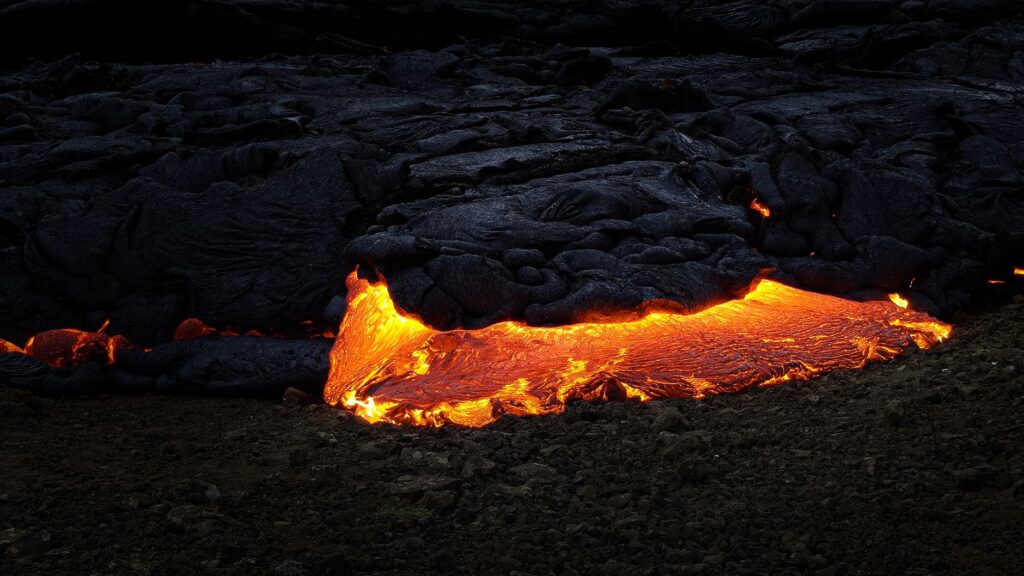
Superheated magma could fuel towering lava fountains, offering insights into volcanic activity. This phenomenon raises questions about the dynamics of eruptions and the forces behind them.
What is Superheated Magma?
Superheated magma refers to molten rock that has reached extremely high temperatures, often exceeding 1,300 degrees Celsius. This intense heat allows the magma to hold more dissolved gases, which can create explosive volcanic activity when it rises to the surface.
The process of superheating occurs deep within the Earth’s crust, where pressure and temperature conditions are ideal for melting rock. As this magma ascends, it can collect in magma chambers, becoming increasingly pressurized. When the pressure becomes too great, the superheated magma can erupt violently, leading to spectacular lava fountains.
These fountains can reach impressive heights, producing stunning displays of natural pyrotechnics. Scientists study superheated magma to better understand volcanic behavior and the potential hazards associated with eruptions.
In summary, superheated magma is a critical component in the formation of lava fountains, showcasing the dynamic processes that shape our planet.
How Does Magma Fuel Lava Fountains?
The dynamics of lava fountains are closely linked to the properties of magma. When superheated magma emerges from beneath the Earth’s crust, it undergoes explosive decompression, leading to dramatic volcanic eruptions. The high temperatures of this magma, often exceeding 1,000 degrees Celsius, create a pressurized environment that can propel molten rock and gases into the atmosphere.
Key factors influencing how magma fuels lava fountains include:
- Viscosity: Superheated magma tends to be less viscous, allowing gases to escape more easily.
- Gas Content: The amount of dissolved gases within the magma plays a crucial role in eruption intensity.
- Temperature: Higher temperatures increase the energy of the eruption, enhancing the height and duration of lava fountains.
In conclusion, superheated magma not only serves as the primary fuel for these spectacular displays but also dictates the characteristics and behavior of volcanic activity.
The Science Behind Volcanic Eruptions
The phenomenon of volcanic eruptions is a complex interplay of geological processes that involve the movement of molten rock beneath the Earth’s surface. At the heart of these eruptions is superheated magma, a highly viscous substance that can rise through the crust, building pressure until it escapes violently.
Understanding the science behind these eruptions is crucial for predicting volcanic activity and mitigating risks. The process begins with the melting of rocks in the mantle, which generates magma that can become superheated due to intense temperature and pressure conditions. As this magma ascends, it can encounter various geological formations that may alter its path and behavior.
The release of gas from superheated magma plays a significant role in the eruption dynamics. The gas expands rapidly, leading to explosive eruptions that can create stunning lava fountains. These fountains, formed from the eruption of superheated magma, can reach impressive heights, showcasing the power of nature.
- Volcanic eruptions can vary widely in intensity.
- Gas content greatly influences eruption style.
Implications for Volcanology
The study of superheated magma presents significant implications for the field of volcanology. Understanding how this molten rock behaves and fuels lava fountains can enhance predictions of volcanic eruptions and mitigate risks to nearby communities. Researchers are now investigating the dynamics of superheated magma as it rises through the Earth’s crust, leading to explosive eruptions that create towering lava fountains.
One of the critical areas of research is how varying temperatures and compositions of superheated magma affect the height and intensity of these eruptions. The findings may also provide insights into the conditions that lead to different types of volcanic activity, from effusive to explosive eruptions.
Furthermore, better comprehension of superheated magma could inform emergency response strategies, allowing scientists to identify potential eruption patterns and provide timely warnings. Ultimately, advancing our knowledge in this area not only enhances scientific understanding but also helps safeguard lives and property from the powerful forces of nature.
Recent Research Findings on Magma
Recent studies have provided intriguing insights into the potential of superheated magma as a powerful fuel source for lava fountains. Researchers have observed that the temperature and pressure conditions within the Earth’s crust significantly influence the behavior of magma during eruptions.
In a groundbreaking experiment, scientists analyzed samples from various volcanic sites and found that superheated magma exhibits unique properties that enhance its eruptive capabilities. The findings suggest that:
- The higher temperatures lead to increased gas content, which can propel magma to greater heights.
- Its viscosity changes under extreme heat, allowing for more dynamic eruption styles.
- Superheated magma can create larger, more sustained lava fountains, enhancing the visual spectacle of eruptions.
These revelations not only advance our understanding of volcanic activity but also have significant implications for predicting future eruptions and assessing volcanic hazards. As research continues, the role of superheated magma in shaping our planet’s geological features becomes increasingly clear.
Photo by David Zherdenovsky on Pexels


1 thought on “Is Superheated Magma the Best Fuel for Lava Fountains?”