Is the ban on burqas and niqabs in schools the right decision?
Ban burqas niqabs in schools has sparked debate in Italy. Discover the implications of this controversial promise.
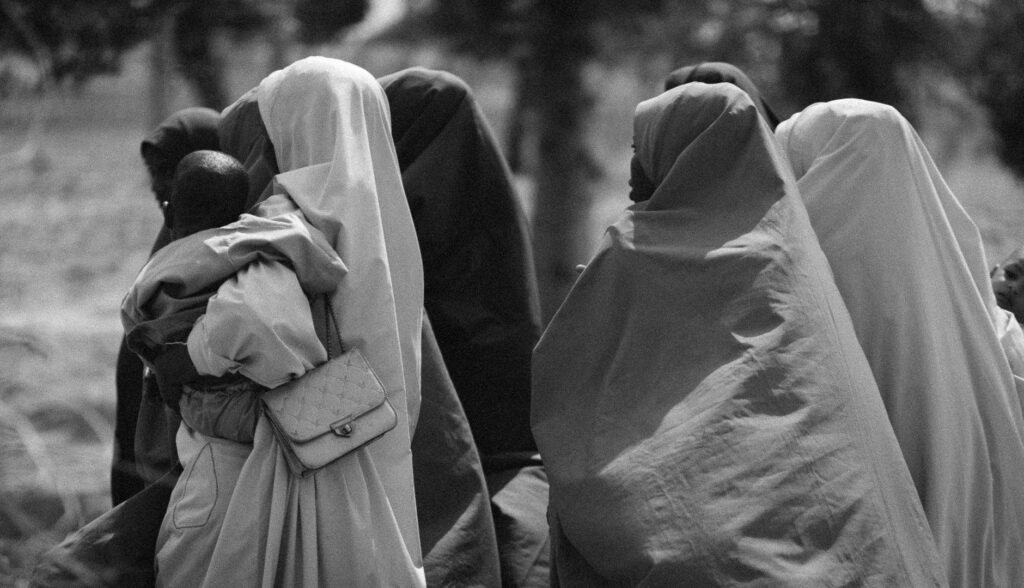
The proposed ban on burqas niqabs in schools has ignited significant discussion in Italy. Prime Minister Meloni’s promise raises questions about cultural integration and educational policies.
Overview of the Proposed Ban
The proposed ban on burqas and niqabs in schools has sparked significant debate across Italy. Prime Minister Giorgia Meloni’s pledge to implement this ban is rooted in concerns over security, integration, and the promotion of secular values in education. Proponents argue that such a measure is essential for fostering an inclusive environment where all students can engage freely and fully participate in educational activities.
Supporters of the ban believe that removing face-covering garments like burqas and niqabs will help facilitate communication between teachers and students, thereby enhancing the learning experience. They argue that clear visibility of students’ faces is crucial in establishing trust and fostering relationships within the school community.
On the other hand, critics contend that the ban infringes on individual rights and religious freedoms. They claim that such a policy may disproportionately affect Muslim women and girls, potentially leading to further marginalization. Additionally, opponents warn that this decision could perpetuate stereotypes and create divisions within society.
As the discussion surrounding the ban continues, it is clear that the implications of this policy will extend beyond school walls, influencing broader conversations about cultural identity, secularism, and the role of religion in public life.
Public Reaction to Meloni’s Promise
Public reaction to the proposed ban on burqas and niqabs in schools has been mixed, reflecting a diverse range of opinions across Italy. Supporters of the ban argue that it promotes integration and upholds secular values within the educational system. They believe that such clothing can hinder communication and social interaction among students of different backgrounds.
Many parents express concern that allowing burqas and niqabs may create divisions among students, impacting their ability to form friendships and collaborate effectively. One parent stated, “We want our children to feel part of a community where everyone is visibly equal and included.”
On the other hand, critics of the ban argue that it infringes on personal freedoms and religious expression. Some educators have voiced their discontent, emphasizing that the focus should be on promoting understanding and tolerance rather than exclusion. “Instead of banning, we should educate about different cultures and beliefs,” remarked one teacher.
Additionally, several human rights organizations have expressed their opposition to the ban, calling it discriminatory. They fear that this decision may lead to further marginalization of Muslim women and girls in society. As the debate continues, it remains to be seen how the government will balance these conflicting perspectives on the ban on burqas and niqabs in schools.
Impact on Students and Schools
The proposed ban on burqas and niqabs in schools has sparked a significant debate regarding its impact on students and educational institutions. Proponents argue that such a ban fosters a more inclusive environment, allowing for better communication and interaction among students. They believe that removing face coverings can help in creating a sense of community within the classroom, enhancing social integration.
On the other hand, critics raise concerns about the implications for students who choose to wear these garments as a part of their cultural or religious identity. They argue that the ban may lead to feelings of alienation and discrimination among those students, potentially affecting their self-esteem and academic performance. This could create a divide within schools, where some students feel accepted while others feel marginalized.
Furthermore, schools may face challenges in implementing the ban effectively. Educators will need to navigate the complex issues surrounding personal freedoms and cultural expression, all while maintaining a respectful and supportive learning environment. There are worries that teachers could become unwittingly involved in larger societal debates about identity and freedom of choice.
As discussions continue, it remains to be seen how this proposed ban on burqas and niqabs will ultimately shape the educational landscape in Italy.
Cultural Context of the Burqa and Niqab
The burqa and niqab are traditional garments worn by some Muslim women, often symbolizing modesty and religious observance. In various cultures, these garments carry deep significance, representing personal beliefs and identity. However, their presence in public spaces, particularly in educational institutions, has sparked considerable debate.
In many Western nations, the visibility of the burqa and niqab has raised concerns about integration and social cohesion. Critics argue that these garments can create barriers to communication and understanding, potentially hindering the educational experience. Proponents, on the other hand, emphasize the importance of cultural diversity and the right to express one’s identity freely.
In Italy, the proposed ban on burqas and niqabs in schools is framed as a measure to promote security and inclusivity. Supporters of the ban believe it will foster a more open environment for students, allowing for better interaction and learning. Yet, this perspective overlooks the cultural significance of these garments for many women who choose to wear them.
As discussions continue, it is crucial to consider the balance between cultural expression and the goals of educational institutions. While the intention behind the ban on burqas and niqabs may be to enhance integration, it also risks marginalizing those who wear them as a matter of personal and cultural choice.
Political Implications in Italy
The proposed ban on burqas and niqabs in schools has stirred significant political implications within Italy. Prime Minister Giorgia Meloni’s promise not only reflects her administration’s stance on immigration and integration but also highlights the ongoing cultural debates surrounding religious attire in public spaces.
Supporters of the ban argue that it is essential for promoting social cohesion and ensuring that students can engage fully in the educational environment. They believe that prohibiting such garments is a step towards fostering a sense of national identity and unity.
Conversely, opponents view the ban as a violation of personal freedoms and religious rights. They argue that such measures could alienate Muslim communities and exacerbate existing tensions. This division within the political landscape has the potential to influence upcoming elections and shift public opinion on immigration policies.
Furthermore, political parties may leverage this issue to galvanize their bases. Right-wing factions are likely to champion the ban as a necessary action against radicalism, while left-wing groups might position themselves as defenders of multiculturalism and tolerance.
As the debate continues, the implications of this policy could extend beyond the classroom, affecting broader societal attitudes towards diversity and inclusion in Italy.
Comparative Analysis with Other Countries
In examining the issue of banning burqas and niqabs in schools, it is essential to consider how similar measures have been implemented in other countries. Various nations have approached the topic differently, reflecting diverse cultural, political, and social contexts.
In France, for instance, a law introduced in 2004 prohibited the wearing of conspicuous religious symbols in public schools, which effectively included the burqa and niqab. This decision sparked significant debate surrounding secularism and individual freedoms, with proponents arguing it promotes equality among students, while opponents viewed it as targeting specific communities.
Similarly, in Belgium, a ban on full-face veils was enacted in 2011, extending beyond educational institutions to public spaces. Advocates of the ban in Belgium argued it was necessary for security reasons, while critics contended that it infringed on personal rights and religious expression.
In contrast, countries like the United Kingdom have opted for a more lenient approach, allowing schools the autonomy to establish their dress codes. This has led to a varied landscape where some institutions permit the burqa and niqab, while others do not, fostering a broader dialogue on integration and cultural identity.
As Italy considers a ban on burqas and niqabs in schools, these international examples offer valuable insights into the potential ramifications and societal implications of such a decision.
Future of Religious Dress in Italian Schools
The future of religious dress in Italian schools remains uncertain as the proposed ban on burqas and niqabs stirs significant debate among educators, parents, and students alike. Advocates for the ban argue that it promotes integration and a secular learning environment, essential for fostering a cohesive educational experience. However, opponents contend that such a prohibition may infringe on individual freedoms and the right to express one’s faith.
As the Italian government navigates this complex issue, several factors will play a crucial role in shaping the outcome. Legal challenges are anticipated, as many believe that the ban could conflict with constitutional rights regarding freedom of religion. Furthermore, international attention may influence the country’s decision-making process, especially given the global discourse surrounding religious attire.
In addition to legal and international considerations, the implications for schools themselves are profound. Educators must grapple with how to create an inclusive environment that respects diverse beliefs while adhering to national policies. This could lead to a reevaluation of school dress codes and their application.
Ultimately, the discussion around the ban on burqas and niqabs in schools reflects broader societal questions about identity, acceptance, and the role of religion in public life. As the situation develops, it will be essential to monitor how both the government and communities respond to the evolving landscape of religious dress in Italy.
The debate surrounding the ban burqas niqabs in schools raises important questions about cultural expression and educational environments. Supporters argue that the ban burqas niqabs promotes a sense of unity among students while critics see it as an infringement on personal freedoms.
Photo by Darkshade Photos on Pexels
1 thought on “Is the ban on burqas and niqabs in schools the right decision?”