Town That Said Yes to Data Centers: A Smart Choice
Town that said yes to data centers is leading the way in tech growth and infrastructure development.
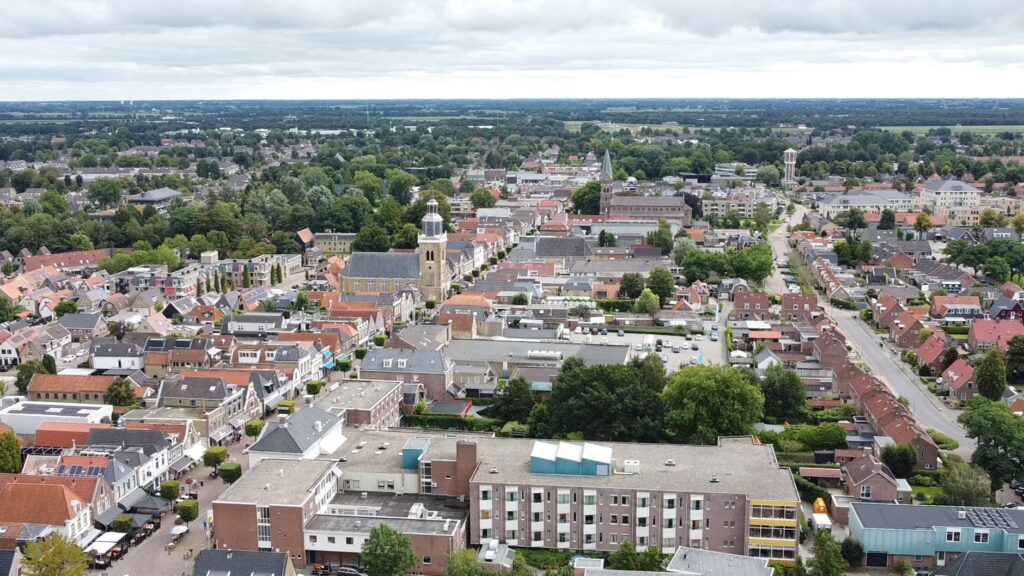
The town that said yes to data centers is making headlines for its bold decision to embrace technology and economic growth.
Overview of the Town’s Decision
The small town of Franklin, located in the heart of the Midwest, has made headlines as the town that said yes to data centers. This bold decision marks a significant shift in the community’s approach to economic development and modernization.
Local officials have embraced the potential economic benefits of hosting data centers, which include:
- Job Creation: The project is expected to create numerous job opportunities for residents, from construction to technical positions.
- Increased Revenue: The town anticipates a surge in tax revenue, which could be reinvested in public services and infrastructure.
- Technological Advancement: Franklin aims to position itself as a hub for innovation, attracting tech-savvy businesses and fostering a culture of growth.
Despite concerns from some residents regarding environmental impacts and changes to the town’s character, community leaders are confident that the benefits outweigh the drawbacks. They believe that the town that said yes to data centers is paving the way for a prosperous future, balancing the needs of its citizens with the demands of a rapidly evolving digital landscape.
Benefits of Data Centers
The decision by the town that said yes to data centers is proving to be a transformative choice with numerous benefits for the community. Local officials have highlighted several key advantages that underscore the positive impact of welcoming data centers into the area.
- Economic Growth: Data centers bring significant investment, creating jobs and increasing local revenue through taxes and infrastructure development.
- Job Creation: The construction and operation of data centers generate a diverse range of employment opportunities, from engineering to facility management.
- Technological Advancements: By hosting data centers, the town positions itself at the forefront of technological innovation, attracting tech companies and fostering a culture of growth.
- Improved Infrastructure: The development of data centers often leads to enhancements in local infrastructure, including roads, utilities, and internet services.
- Community Investment: With the increase in revenues, the town can invest in public services, schools, and recreational facilities, improving the quality of life for residents.
These advantages showcase how the town that said yes to data centers is not only embracing modern technology but also securing a prosperous future for its citizens.
Challenges Faced by Residents
While the decision to welcome data centers has brought numerous benefits to the town, it has not been without challenges for residents. Many locals have expressed concerns regarding the environmental impact of such facilities. The significant energy consumption required by data centers raises questions about sustainability and the town’s carbon footprint.
Additionally, there are worries about the strain on local infrastructure. The influx of businesses associated with data centers may lead to increased traffic and congestion, affecting the quality of life for residents. Community members have voiced their desire for improvements in roads and public transport to accommodate these changes.
Another challenge is the potential rise in property values and cost of living. While some see this as a positive development, others fear that it may make housing unaffordable for long-time residents. The balance between economic growth and maintaining community accessibility has become a focal point for discussions in town meetings.
Despite these hurdles, many residents remain optimistic about the future. They believe that with careful planning and collaboration, the town that said yes to data centers can find solutions that benefit everyone.
Economic Impact on the Community
The decision of the town that said yes to data centers is expected to yield significant economic benefits for the local community. As these facilities begin operations, they are projected to create numerous job opportunities across various sectors.
According to local officials, the data centers will generate both direct and indirect employment. Direct jobs will include positions in IT, maintenance, and security, while indirect jobs may arise in construction, logistics, and services that support the data center operations.
Furthermore, the influx of new businesses catering to the needs of data center employees is anticipated. This could lead to the establishment of restaurants, retail shops, and entertainment venues, enhancing the quality of life for residents.
The town’s government also stands to benefit from increased tax revenues. With the data centers contributing significantly to local taxes, funds can be allocated to improve public services such as education, transportation, and infrastructure.
- Job creation in IT and support services
- Boost to local businesses and economy
- Increased tax revenues for public services
Overall, the economic impact of the data centers is projected to be overwhelmingly positive for the community.
Future Plans for Expansion
As the town that said yes to data centers continues to embrace technological advancements, future plans for expansion are already in motion. Local officials are focused on leveraging the benefits of data centers while addressing community concerns.
The town is exploring several key initiatives to support growth:
- Infrastructure Development: Enhancements to roads and utilities are planned to accommodate increased traffic and energy demands from new facilities.
- Community Engagement: Regular town meetings will be held to keep residents informed and involved in the decision-making process regarding future data center projects.
- Environmental Considerations: The town aims to implement sustainable practices, such as using renewable energy sources and establishing green spaces around data center sites.
- Workforce Training Programs: Initiatives to equip residents with skills necessary for jobs in the tech industry will be prioritized, ensuring that the community benefits economically.
By strategically planning these expansions, the town that said yes to data centers is positioning itself as a leader in the digital economy while maintaining a commitment to its residents.
Comparisons with Other Towns
When comparing the town that said yes to data centers with other municipalities, several key differences emerge. Many towns hesitate to embrace data centers due to concerns over environmental impact and resource allocation. In contrast, this town has prioritized economic growth, viewing data centers as a necessary investment.
In neighboring towns, reactions to data center proposals often include:
- Public Opposition: Many communities express fears regarding increased traffic and noise pollution.
- Environmental Concerns: There are widespread worries about energy consumption and potential harm to local ecosystems.
- Regulatory Challenges: Other towns often impose strict zoning laws that complicate or outright prevent data center development.
However, the town that said yes to data centers has positioned itself uniquely by establishing clear guidelines that address these concerns while fostering a business-friendly environment. This proactive approach has not only attracted data center developers but also sparked interest from technology firms seeking to establish operations in a supportive locale.
As other towns watch closely, the success of this town may influence future decisions around data center proposals nationwide.
Local Government’s Role
The local government has played a pivotal role in shaping the town that said yes to data centers. Recognizing the potential benefits, officials took proactive measures to facilitate the development of these facilities. By creating a comprehensive zoning plan, they ensured that data centers could be constructed in designated areas, minimizing disruption to residential communities.
Furthermore, the government engaged in extensive outreach efforts to educate residents about the advantages and challenges associated with data centers. Public forums were held to address concerns, allowing citizens to voice their opinions and questions. This transparency helped build trust between the local administration and the community.
In addition to fostering dialogue, the town’s leadership established partnerships with technology firms to promote job creation and investment in local infrastructure. These collaborations have not only driven economic growth but also enhanced the town’s reputation as a forward-thinking community.
As the town continues to embrace innovation, local officials remain committed to supporting the data center industry while ensuring that the needs of residents are met. This balance is crucial for maintaining the town’s charm and fostering a harmonious relationship between new technology and community values.
Public Opinion on Data Centers
The decision by the town that said yes to data centers has sparked a range of opinions among residents. While some embrace the technological advancements and economic opportunities that data centers can bring, others express concerns about environmental impacts and changes to the community’s character.
In a recent survey conducted by local officials, the results highlighted a divide in public sentiment:
- Support for Development: Approximately 60% of respondents believe that the presence of data centers will attract more businesses and boost job creation.
- Environmental Concerns: 30% of residents voiced worries about energy consumption and potential ecological consequences associated with large data facilities.
- Community Identity: 25% expressed apprehension that data centers might alter the small-town feel, fearing a loss of local charm.
Despite these concerns, community leaders argue that the benefits outweigh the drawbacks. They emphasize that proper regulations and sustainable practices can mitigate environmental impacts. Public forums have been organized to address residents’ fears and foster open dialogue about the future of the town that said yes to data centers.
Photo by De Lemster Krant on Pexels




1 thought on “Town That Said Yes to Data Centers: A Smart Choice”